
Who gets to read the battery passport?
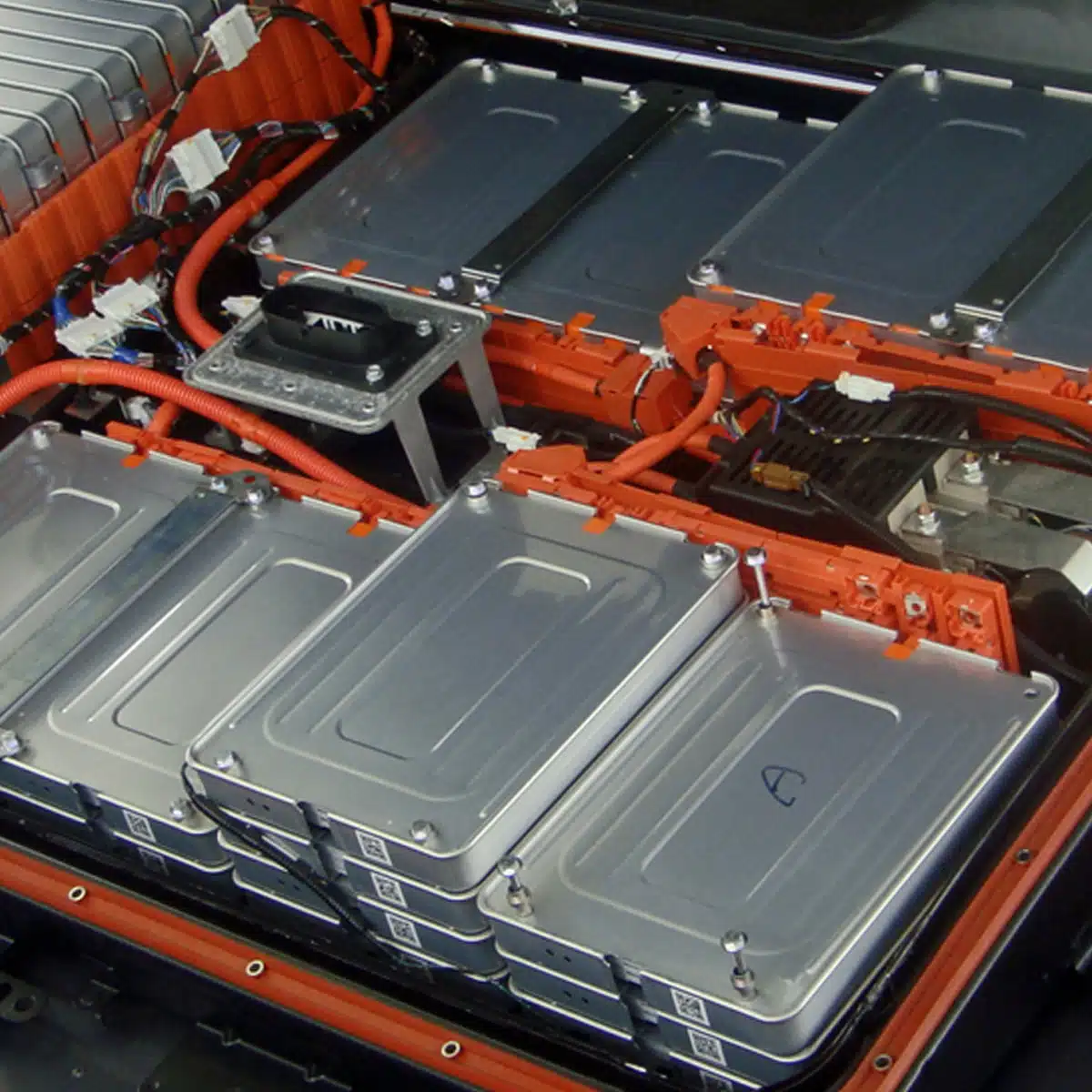
The passport itself becomes mandatory on 18 February 2027 for electric vehicle batteries, e-bike, e-moped and e-scooter batteries, home storage batteries and industrial batteries. The Commission says it will be linked to each battery through a QR code. That date is just over 13 weeks away.
What the draft decides
The draft sorts passport data into tiers. As reported by LexisNexis, performance and sustainability information will be public. Compliance information will be available to the relevant authorities. Information on repair, remanufacturing, repurposing and recycling will be restricted to businesses and people with a legitimate interest.
The Commission’s own passport page says each data point is marked as public or restricted, and that Member States and notified bodies are allowed to access specific data points. The text is still a draft, so the detail may change before adoption.
Every one of those tiers sits behind the same door, which is the QR code on the battery. In our view, that makes the physical mark the most important part of the passport. If a code can’t be read, nobody gets in, whatever access rights they hold.
Why the mark matters more than the rules
Article 13 of the Batteries Regulation says QR codes must be printed or engraved visibly, legibly and indelibly on the battery. The Regulation doesn’t define “indelible”. In our view, the test is simple: if a marking can be separated from the battery, it isn’t indelible.
That’s why we don’t think adhesive labels will do. Labels can peel, lift in humidity, degrade under thermal cycling and suffer from cleaning chemicals. A label that has peeled away in a recycling facility has failed at exactly the point where the passport matters most. Laser engraving changes the casing surface itself, so there’s nothing to peel or lift.
Three groups will depend on that code working years from now: the authority checking compliance, the repairer or remanufacturer with a legitimate interest, and the recycler at end of life. We expect a laser-engraved QR code to stay readable after 10 years of service.
How we mark for the passport
Fibre lasers are our standard choice for metallic battery surfaces, including aluminium casings, steel housings and busbar connectors. MOPA lasers mark anodised aluminium in high-contrast black or white without damaging the protective oxide layer. For trays and structural housings, dot peen marks survive shot blasting, painting and powder coating.
We mark at cell, module and pack level. A cell carries a Data Matrix or QR code on its top face or largest flat surface, a module carries one on its cover, and a pack carries the Battery Passport QR code alongside its other required information.
We recommend ISO/IEC 15415 Grade A or B as the minimum acceptance criterion for a code, with Grade A as the target. Our laser and dot peen systems integrate with MES and ERP systems through PLC connectivity and industrial Ethernet, and marking data is logged at the point of application. That creates the audit trail a passport record depends on.
Our guide to what indelible actually means under the EU Battery Regulation covers the detail.
Questions to ask before February
Could your current marking be separated from the battery? What ISO/IEC 15415 grade does each code achieve on the line? Is every code linked to a record logged at the moment it was marked? And will a recycler, who has never seen your factory, be able to read it in 10 years?
If any answer is uncertain, speak to our engineers. We design and build every system at our Sheffield headquarters. Call +44 (0)114 276 6044 or email info@pryormarking.com.